

Oven braising is one of those techniques that looks simple, but the small details make a big difference in how the beef turns out.
It could be confusing at first. Does the meat need to be covered or uncovered? How much liquid? Why does one recipe say 2 hours and another say 4?
Once you understand why it works, you'll stop guessing and start trusting the process.
Jump to:
Why Braising Beef in the Oven Works So Well
Tougher cuts of meat benefit from braising because they're full of connective tissue. That connective tissue needs time and gentle heat to break down.
The oven is ideal for braising because it does the hard work for you with steady, even heat and no hot spots like the stovetop.
Low-and-slow oven heat allows that connective tissue to melt gradually, which gives braised beef tenderness.
If you're curious which cuts of beef actually benefit the most from this low-and-slow approach, I break it all down in my guide to the best cuts of beef for oven braising.
The Important Components of Oven Braising
These are the rules I follow every single time.
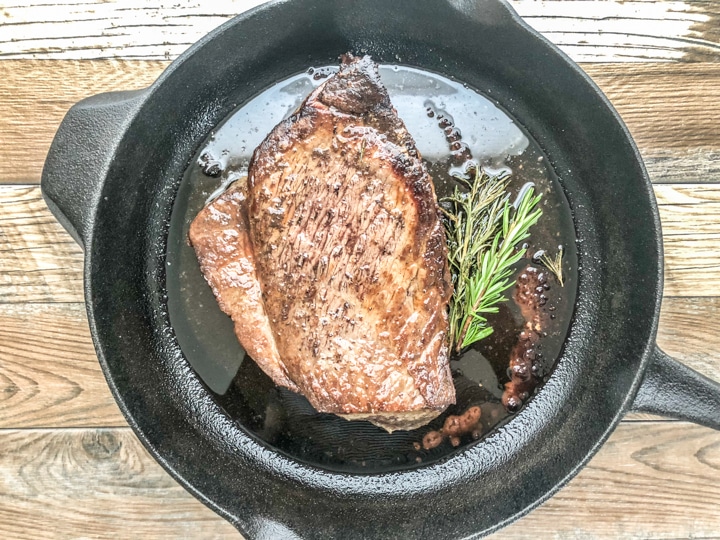
- Start with a Proper Sear (99% of the time)
Searing isn't about cooking the beef through. It's about building flavor from the start. A deep brown crust adds flavor to the final sauce and prevents the dish from tasting flat. - Use Enough Liquid But Don't Drown the Meat
The liquid should come about halfway up the beef, not completely covering it. - Keep It Covered for Most of the Cooking Time
Covering the meat while it cooks traps moisture and creates steam, which keeps the meat from drying out while the connective tissue breaks down.
If beef comes out tough, the most common causes are: it wasn't covered, or it wasn't cooked long enough. - Low Heat + Time Is Non‑Negotiable
High heat tightens muscle fibers and can cause the meat to become tough. Braising requires patience.
Covered vs. Uncovered
This question comes up all the time and for good reason.
For most of the cooking time, keep the beef covered. This is when the connective tissue is breaking down, and the meat is becoming tender.
Uncovering only makes sense at the very end, after the beef is already tender, or if you want to reduce and thicken the sauce.
Uncovering too early is one of the most common braising mistakes and often leads to dry, stringy meat.
Oven Temperatures for Braising Beef
Depending on the cut of beef, your oven temperature can range anywhere between 250°F and 375°F.
I've cooked braised beef across that range, but I most often land around 350°F. It's a reliable middle ground that gently breaks down tougher cuts while keeping the meat moist, especially when the beef is well covered and surrounded by liquid.
How Long to Braise Beef in the Oven
It's important to know that time is a guideline, not a guarantee. Also, the size and thickness of the beef and oven temperature can affect cooking time.
Here's a general range:
- Chuck roast: 3 - 3½ hours
- Short ribs: 2½ - 4+ hours
- Oxtails: 3½ - 4 hours
The real test is tenderness. A fork should slide in easily. If it doesn't, the beef isn't done yet, no matter what the clock says.
Common Mistakes (And How to Fix Them)
If something didn't turn out the way you hoped, it's almost always one of these.
- The beef is still tough, which indicates you didn't braise it long enough in the oven. Let it continue to cook while checking it about every 20 minutes.
- The beef dried out, which means it was uncovered too early or didn't have enough liquid. If you think you need a little more liquid during the cooking process, add some to the pot.
- The sauce is too thin. This would be a good time to uncover the meat near the end and let the sauce reduce.
How to Use This Method For Different Beef Cuts
Once you've got the method down, the rest is just choosing your cut.
This oven-braising method works across multiple cuts. The technique stays the same, but cooking times can vary slightly.
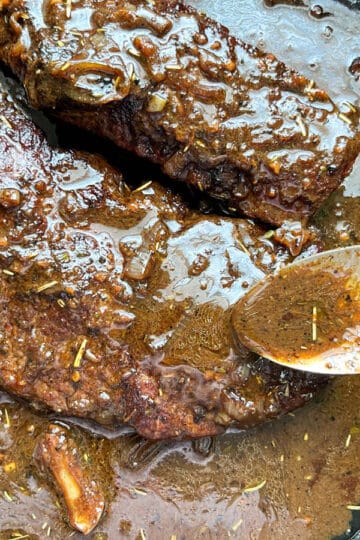
Tender Oven-Baked Chuck Roast, where extra time in the oven turns a tough cut into something fork-tender.
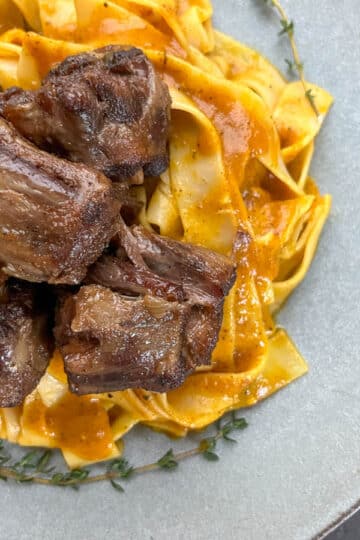
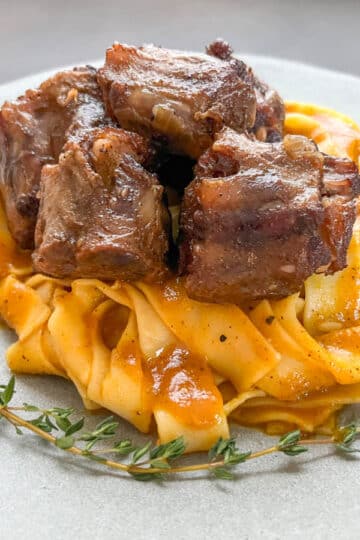
Braised Beef Short Ribs, cooked low and slow until the meat practically pulls itself apart.
Southern oxtails may need the longest cook time, but they're worth the wait.
Thanks for visiting! Please feel free to leave a comment