

Smothered turkey wings have been on Southern Sunday dinner tables for generations and for good reason. When turkey wings are seasoned, browned until golden, and then slow-baked in a rich homemade gravy, the meat gets so tender it practically falls off the bone on its own.
What makes this recipe different from most is the gravy. Instead of a basic roux with drippings, I roast the onions and garlic separately until they're completely caramelized, then I blend them into the smoothest, most flavorful gravy you've ever had on turkey wings.
It's the technique my family looks forward to every single time I make this dish. This is a low-and-slow recipe, so plan ahead.

Jump to:
Why These Smothered Turkey Wings Turn Out Tender
Most smothered turkey wing recipes fail for one reason... they need time and moisture to become tender. If they're rushed or cooked uncovered too early, they dry out rather than breaking down.
This recipe works because the wings cook low and slow until tender before the homemade gravy is even poured over them.
Ingredient Notes
These are the ingredients that make these turkey wings so flavorful in this savory onion gravy.
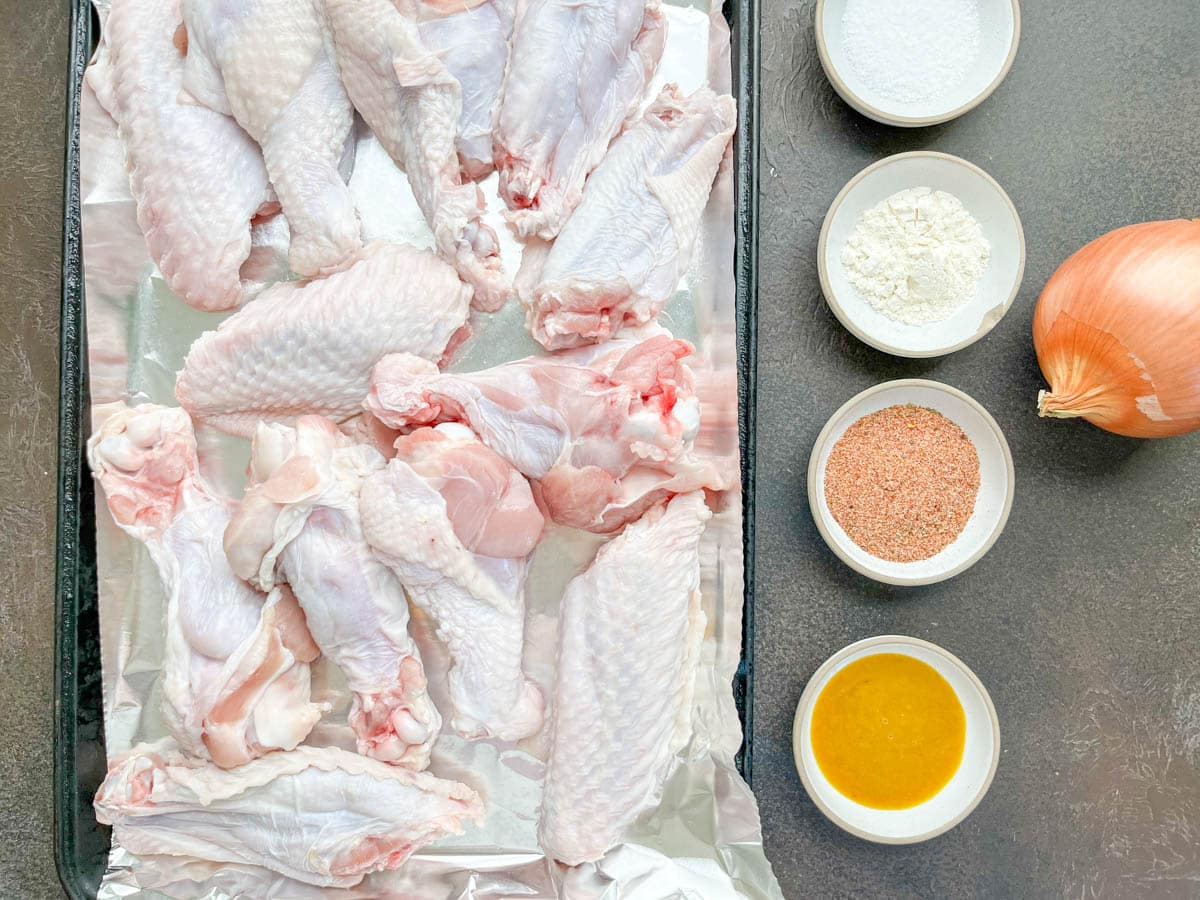
- Turkey Wings: Ask your butcher to split the wings and remove the tips if you'd like. This makes them easier to handle.
- Cajun Seasoning Blend: This is the heart of the flavor. It's savory and smoky. You can use a store-bought mix or try my homemade Cajun seasoning blend.
- Onion & Garlic: Roasted separately, they caramelize and bring more depth to the gravy.
- Better Than Bouillon or Chicken Broth: Go with broth instead of water for a richer, more savory base. Low-sodium works best, so you can adjust the seasoning to taste.
- Please note that fresh garlic is used in the recipe, but isn't shown in the photo. This ingredient is important for building and thickening the sauce.
See recipe card to quantities.
Cree's Top Tips
- Sometimes, I like having the butcher cut the turkey wings in half (this is totally optional), and I have them cut the tips off, which I use for other things like adding flavor to beans or soups.
- Don't skip the browning step; those golden bits on the wings (and in the pan) are what give the gravy its flavor.
- Once you've achieved that beautiful color, cover the wings with foil, so they stay moist and bake up fall-off-the-bone tender.
- To avoid lumpy gravy, whisk continuously while adding your broth. For an ultra-smooth finish, strain the gravy before pouring it over the wings.
- These wings are all about the sauce; make a little extra so you'll have plenty to spoon over rice, herb-garlic mashed potatoes, or even rice dressing.
- Smothered turkey wings taste even better the next day as the flavors meld. Store in an airtight container for up to 3-4 days and reheat gently until the gravy is bubbling.
- When smothering your wings in gravy, use a perfectly sized baking dish, so your gravy doesn't spread too much.
- If your gravy is too thick, add more liquid; if it's too thin, add more flour, making sure to whisk continuously.
Homemade Gravy vs. Gravy Packs or Jars
You can absolutely make smothered turkey wings using a gravy packet or jar, and for some cooks, that convenience matters. The difference with homemade gravy is flavor and control. Making the gravy from the onions, garlic, pan drippings, and broth creates a richer, more balanced sauce.
Gravy packets tend to be salt-heavy and one-note, while jarred gravies often lack depth. If you're short on time, a packet can work.
But if you want that classic, slow-cooked Southern flavor, homemade gravy is what makes the dish shine.
How to Make Southern Smothered Turkey Wings
Making tender oven-baked turkey wings is easier than you think. You'll first season them with your favorite Cajun blend, then roast them until perfectly golden brown, and finish them in a rich homemade onion gravy.

- Prepare a baking dish by misting it with avocado oil cooking spray to prevent wings from sticking.
- Wash and pat dry the turkey wings with paper towels before seasoning.
- Arrange wings on the prepared baking sheet and season generously.
- Bake them in a preheated 415°F oven until brown.

- Add broth to the baking dish.
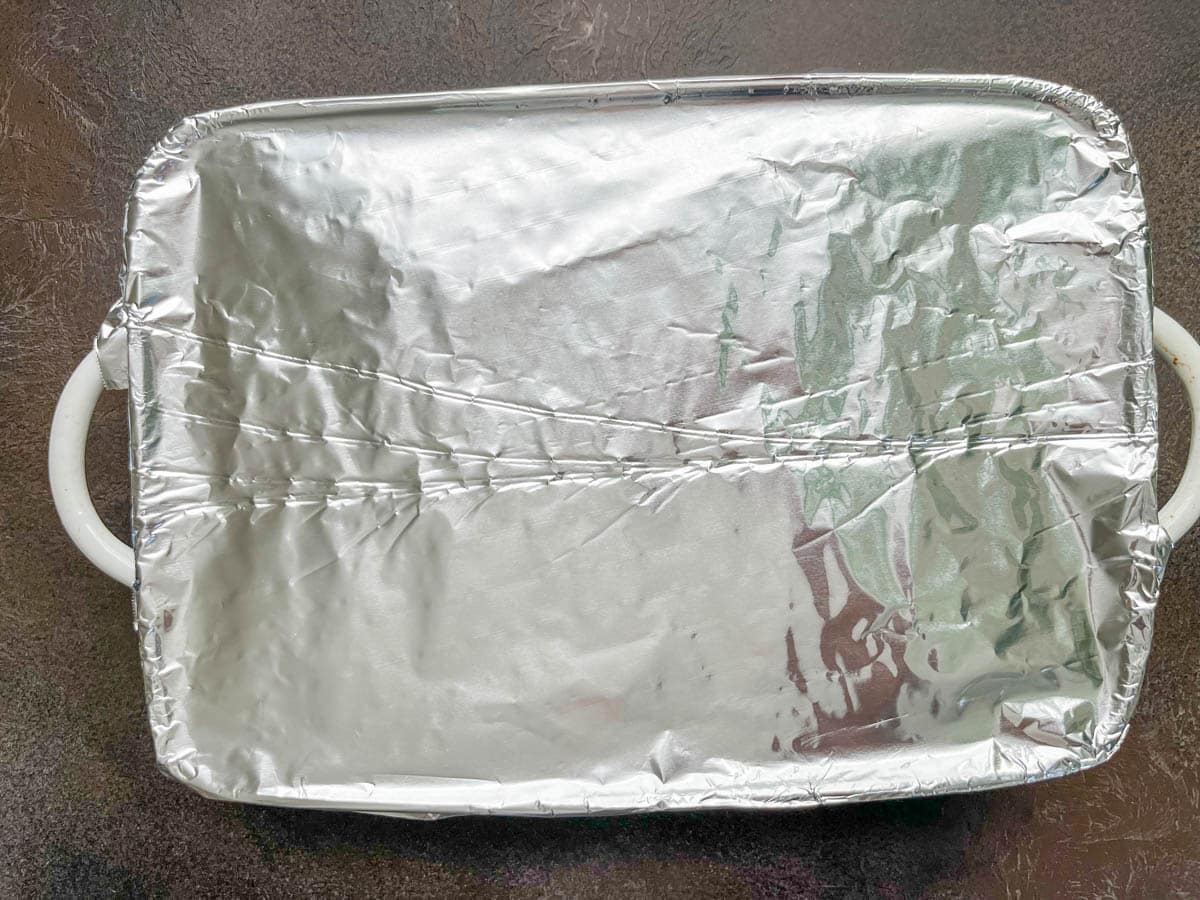
- Cover with foil and reduce the oven temperature to 375°F.
- Meanwhile, roast the onion and garlic until caramelized while the wings are cooking.
- When done, add the roasted onion and garlic to a NutiBullet or Blender and blitz until smooth.
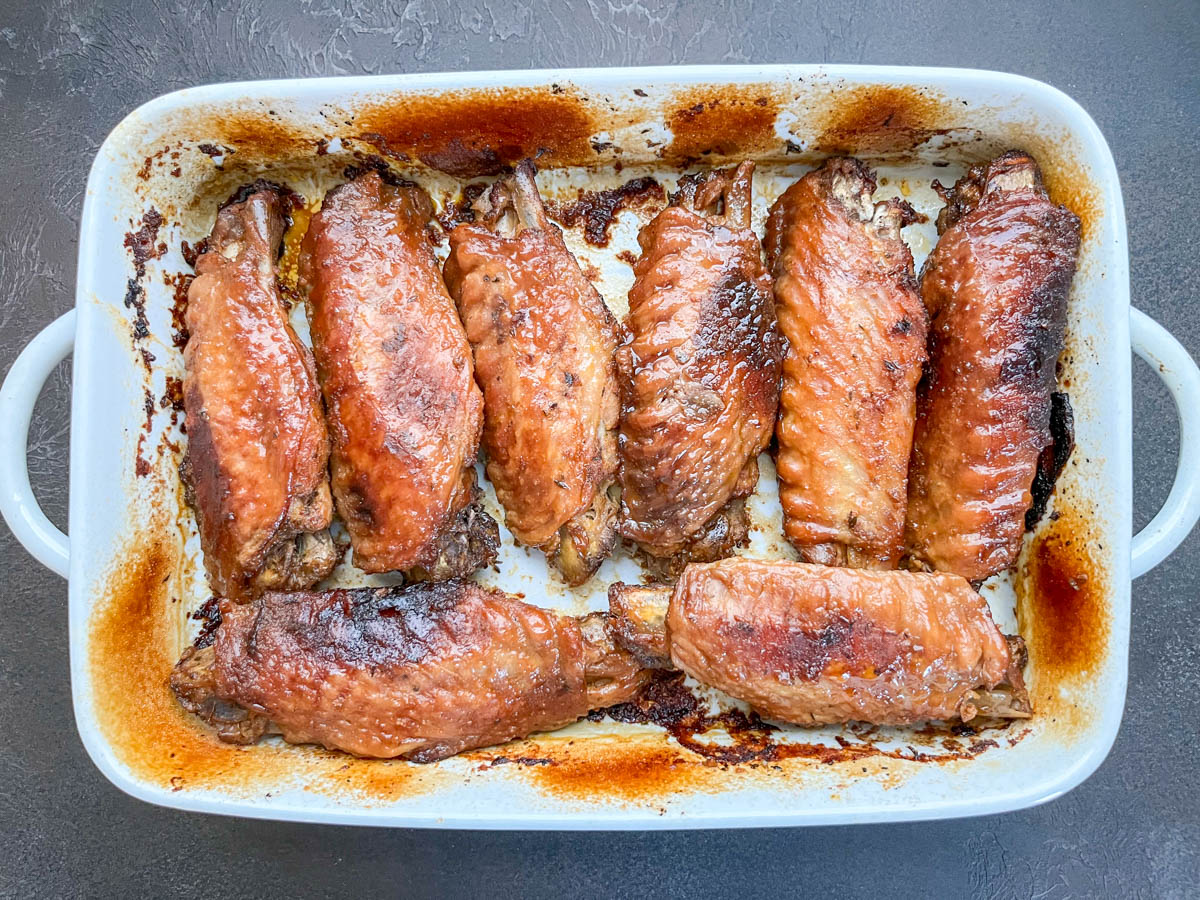
- When the turkey wings are done, remove the liquid from the baking dish and KEEP the oil. The oil will be used to make the gravy.
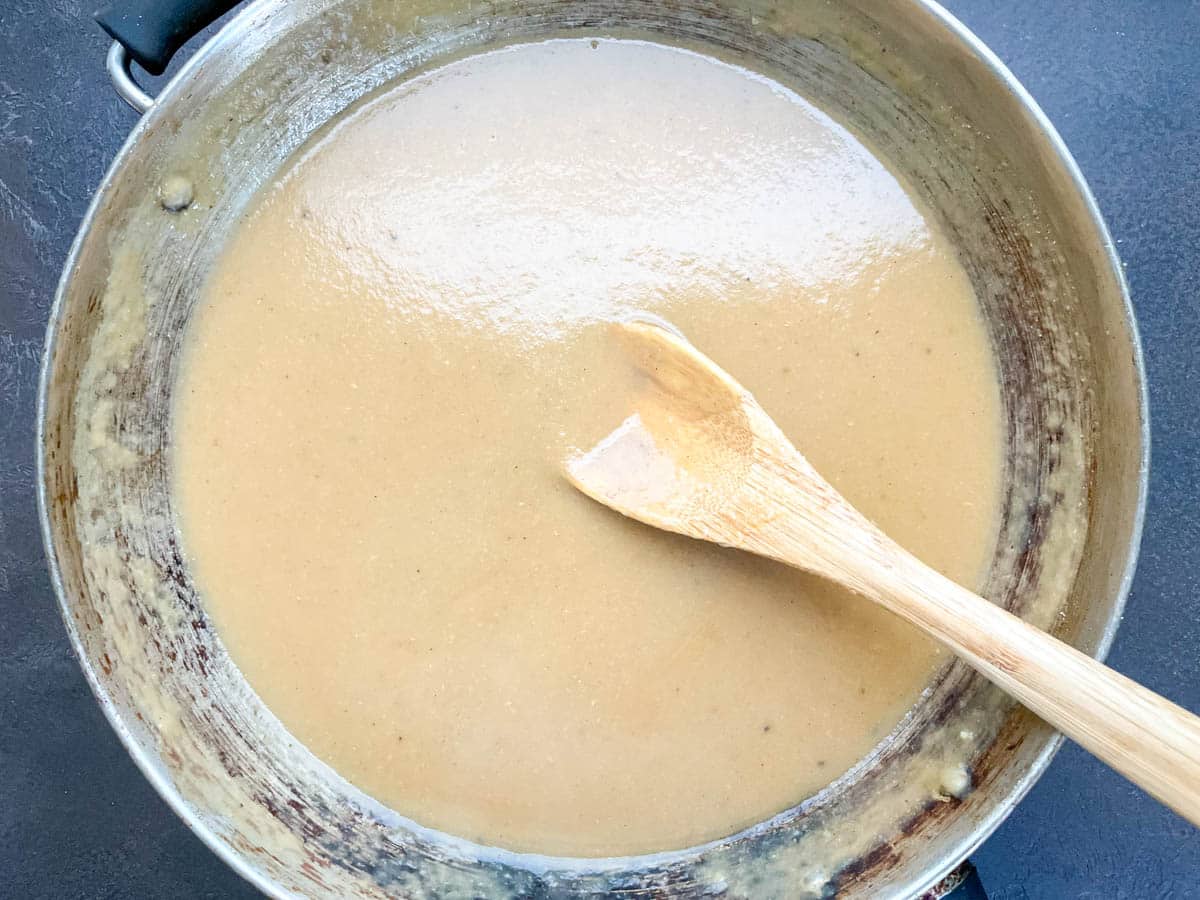
- When the turkey wings are done, start on the gravy.
- Add oil from the baking dish to a hot skillet, then add flour.
- Pour the chicken bouillon mixture into the skillet and whisk until combined.
- Pour in the blended roasted onion and garlic and whisk until completely combined and smooth.
- Season to taste.
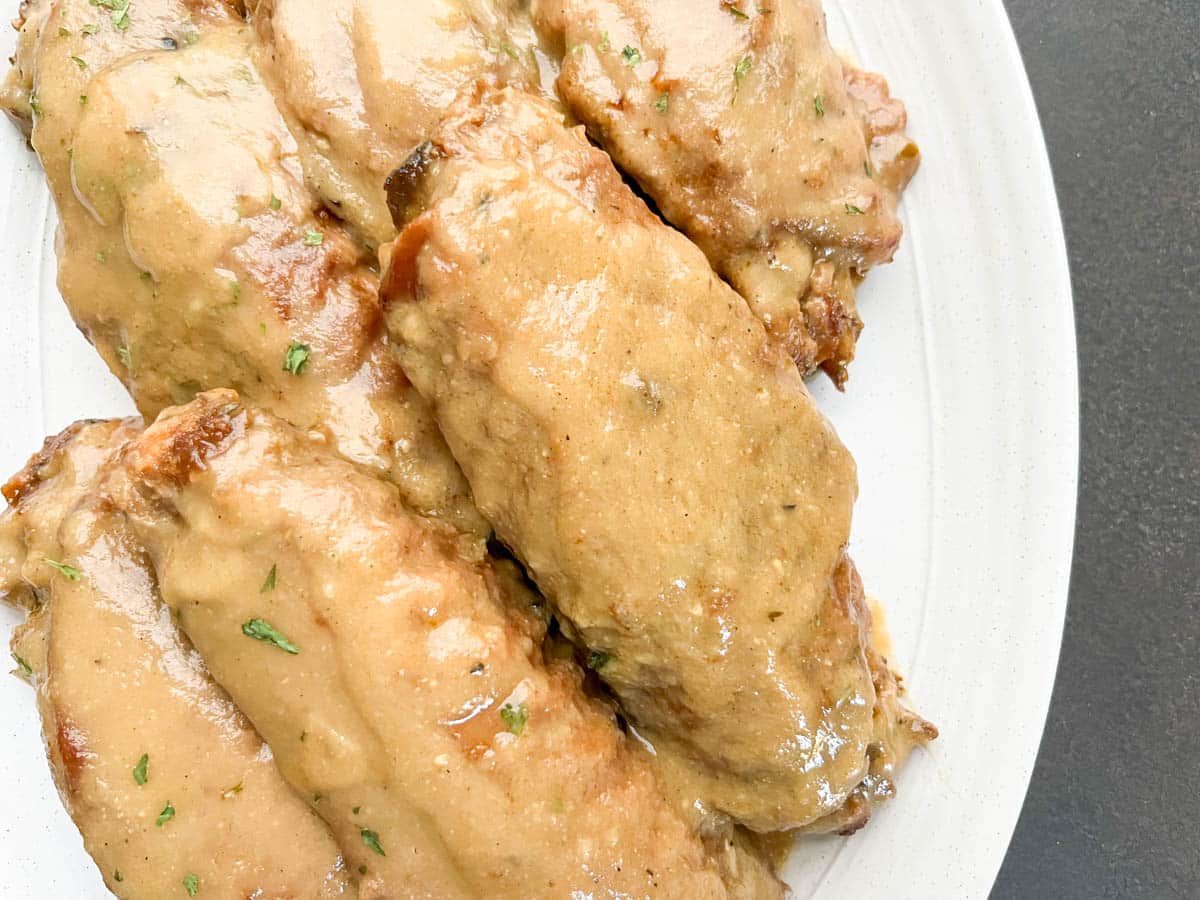
- Pour the gravy over the top of the turkey wings.
Store and Reheat
Store leftovers in an airtight container with a tight-fitting lid. Then, place in the fridge for up to 3 days.
Reheat your smothered turkey wings in a 375°F preheated oven, covered with foil, until they're heated through and the gravy is hot.
What to Serve with Smothered Turkey Wings
The gravy in this recipe is everything.
Soul Food sides that complete the plate:
Southern Collard Greens
Creamy Baked Mac and Cheese
Soul Food Green Beans
Southern Cornbread
Candied Yams
Lighter sides if you want balance:
Oven Roasted Broccolette
Sauteed Green Beans
Italian Cucumber Salad
FAQs
When baking, it's best to cook the turkey wings uncovered first to achieve that beautiful golden-brown color and seal in flavor. After browning, the wings are covered and baked so the meat becomes fall-off-the-bone tender.
Sure can. Cooking times will differ though. In fact, chicken wings cook much faster than turkey wings which means that dinner will be served a lot faster.
Absolutely, prepare according to the directions. Once your smothered turkey wings have cooled, store them in an air-tight container with a tight-fitting lid and warm them gently the following day until the gravy is bubbling again.
If your turkey wings are still tough and not fork-tender, they simply need more time covered. Keeping them covered allows the steam to break down the meat, so the wings become tender.
Smothered vs Baked Turkey Wings
Smothered turkey wings are all about gravy and tenderness. They're slow-baked and finished in a rich sauce. Next time, if you'd like a lighter option without gravy, try my easy Southern baked turkey wings. They're seasoned to perfection with golden-brown skin.
📖 Recipe

Southern Smothered Turkey Wings with Roasted Onion Gravy
Southern Smothered Turkey Wings with Roasted Onion GravyEquipment
- 1 Roasting pan or baking dish for turkey wings
- 1 Roasting pan for onion and garlic
- 1 Skillet for making gravy
- Paper towels for blotting wings to remove moisture
- Measuring spoons
- measuring cup
- 1 Meat thermometer
Ingredients
Turkey Wings
- 2 lbs turkey wings
- 2-½ tablespoon Cajun seasoning
- ½ tablespoon kosher salt (plus ½ teaspoon more or less)
- 1 teaspoon black pepper
- 2-½ teaspoon chicken bouillon
- 2-½ cups water
Roasted Onion & Garlic Homemade Gravy
- 2 onions (sweet onion or yellow onion)
- 1 bulb garlic (fresh)
- 3 tablespoon oil (spooned from the baking dish with the cooked wings)
- 3 tablespoon all-purpose flour
- 4 teaspoon chicken bouillon (Better Than Bouillon Roasted Chicken Base (Reduced Sodium))
- 4 cups water
- ½ teaspoon kosher salt (if needed - season to taste)
- ½ teaspoon Cajun seasoning (if needed - season to taste)
Instructions
- Preheat oven to 415 degrees.
- Mist a roasting pan with avocado cooking spray. Wash and thoroughly pat dry turkey wings with paper towels. Season wings generously with Cajun seasoning, kosher salt, and black pepper. Place in a baking dish or roasting pan.
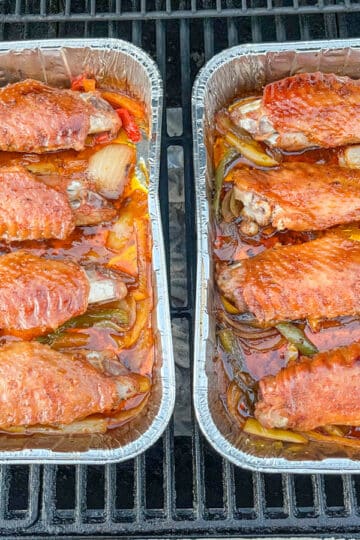
- Place in a preheated oven and roast until wings are beautifully golden brown for 1 hour and 10 minutes (flip wings halfway through cooking time or until both sides have browned). Browning is a must.
- In a measuring cup, dissolve chicken bouillon in water (or simply use low-sodium chicken broth) and pour into the baking dish. Cover tightly with foil, reduce the oven temperature to 375°F, and bake for 1 hour and 30 minutes, or until the turkey wings are fork-tender.
- Remove the liquid from the baking dish and KEEP the oil. You'll need this oil for the gravy.
Roasted Onion & Garlic Homemade Gravy
- Peel the onion and roughly chop it. Slice off the top of the garlic bulb to expose the cloves. Drizzle both with avocado oil (or another neutral oil) and season with salt and pepper. Wrap the garlic bulb tightly in foil, then place it alongside the onion on a baking sheet.
- Roast for about 45 minutes, until the onion is caramelized and the garlic is soft and golden, while the wings bake in the oven.
- Once the onion and garlic are roasted, blend them in a NutriBullet or blender until smooth and creamy. Set aside until ready to stir into the gravy.
- Spoon about 3 tablespoons of the drippings from the turkey wings into a skillet (add a little neutral oil if you don't have enough). Warm over medium heat, then whisk in the flour to form a roux. Cook on low-medium for about 10 minutes, stirring often, until the roux turns a golden brown. Keep a close eye on this step; it builds flavor, but it can burn quickly.
- In a measuring cup, dissolve chicken bouillon in water (or use low-sodium chicken broth) and slowly pour it into the skillet, whisking constantly to blend with the roux until smooth.
- Stir in the blended onion and garlic and continue whisking until fully incorporated. Let the gravy simmer for about 10 minutes, or until thickened, then season to taste with Cajun seasoning and kosher salt.
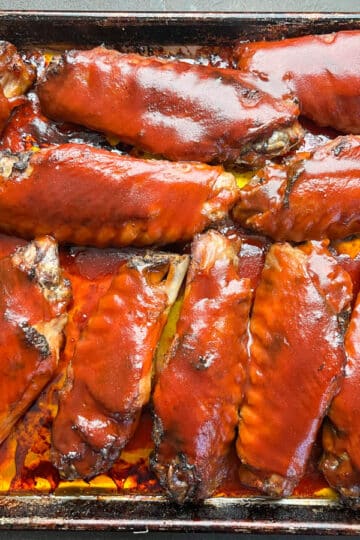
- Pour the gravy over the turkey wings, making sure each wing is well coated. Serve hot and spoon extra gravy over rice or mashed potatoes.
Notes
- Sometimes, I like having the butcher cut the turkey wings in half (this is totally optional), and I have them cut the tips off, which I use for other things like adding flavor to beans or soups.
- Don't skip the browning step; those golden bits on the wings (and in the pan) are what give the gravy its flavor.
- Once you've achieved that beautiful color, cover the wings with foil, so they stay moist and bake up fall-off-the-bone tender.
- To avoid lumpy gravy, whisk continuously while adding your broth. For an ultra-smooth finish, strain the gravy before pouring it over the wings.
- These wings are all about the sauce; make a little extra so you'll have plenty to spoon over rice, herb-garlic mashed potatoes, or even rice dressing.
- Smothered turkey wings taste even better the next day as the flavors meld. Store in an airtight container for up to 3-4 days and reheat gently until the gravy is bubbling.
- When smothering your wings in gravy, use a perfectly sized baking dish, so your gravy doesn't spread too much.
- If your gravy is too thick, add more liquid; if it's too thin, add more flour, making sure to whisk continuously.
Nutrition
Nutrition Disclaimer
Nutritional information is an estimate provided by an online nutrition calculator. For the most accurate results, we recommend calculating the nutritional information using the specific ingredients and brands you use.


Thanks for visiting! Please feel free to leave a comment