

Our Braised Chicken Wings are slowly cooked until they practically fall off the bone. They're infused with all the savory goodness of braising. So, if you're looking for a flavorful, tender, versatile, and easy-to-make dish, braised chicken wings should be at the top of your list.
Give them a try, and you'll see why they're a favorite.

Jump to:
Why this Recipe Works
If you've only had chicken wings fried or baked until crispy, braised wings are a different kind of comfort. This isn't about crunch; it's about tender, flavorful chicken that cooks gently in a savory braising liquid until tender.
Braising simply means the wings cook partially submerged in liquid, covered, at a steady heat. It keeps the chicken moist while it builds a rich sauce you actually want to spoon over rice, mashed potatoes, or whatever you're serving on the side.
Ingredient Notes
You only need a handful of simple pantry ingredients. Each ingredient plays a role in making the sauce rich and savory.
- Better Than Bouillon (or broth): This is where the depth comes from. It gives the braising liquid a richer, more concentrated flavor than adding water. I've updated this recipe to use Better Than Bouillon for a deeper flavor, though chicken broth still works if that's what you have on hand.
- Celery + bell pepper + shallot: This is a simple aromatic base that brings sweetness, balance, and that slow-cooked comfort flavor.
- Garlic: Adds that savory foundation that immediately elevates the flavor of the sauce.
- Chicken wings: Wings are underrated for braising. I love that they stay tender and flavorful without drying out.
See recipe card for quantities.
Top Tips
- Sear the chicken wings in a hot pot before braising to develop flavor. This step caramelizes the skin.
- This recipe calls for low-sodium Better Than Bouillon (chicken flavor), but you can use a high-quality chicken broth or stock if that's what you have on hand.
- Allow the chicken wings to braise slowly and gently. Low and slow cooking ensures the meat becomes tender and absorbs all the flavors of the braising liquid.
- Taste the sauce towards the end of the cooking time and adjust the seasonings as needed, so your final dish is perfectly seasoned.
Troubleshooting (So Your Wings Come Out Perfectly the First Time)
My sauce is too thin: Toward the end, let it simmer uncovered for a few minutes to reduce further. Keep in mind that the sauce thickens as it cools, too.
My wings aren't as tender as I wanted: They likely needed a little more time covered. Braising works best when the wings stay in that moist environment long enough.
My wings stuck to the pan during searing: Make sure the wings are dry before they hit the pan and don't rush the flip. Once they develop color, they'll release.
Step-by-Step Instructions
Now, let's dive into the simple steps to making this dish, from searing the chicken to making the sauce that brings it all together.
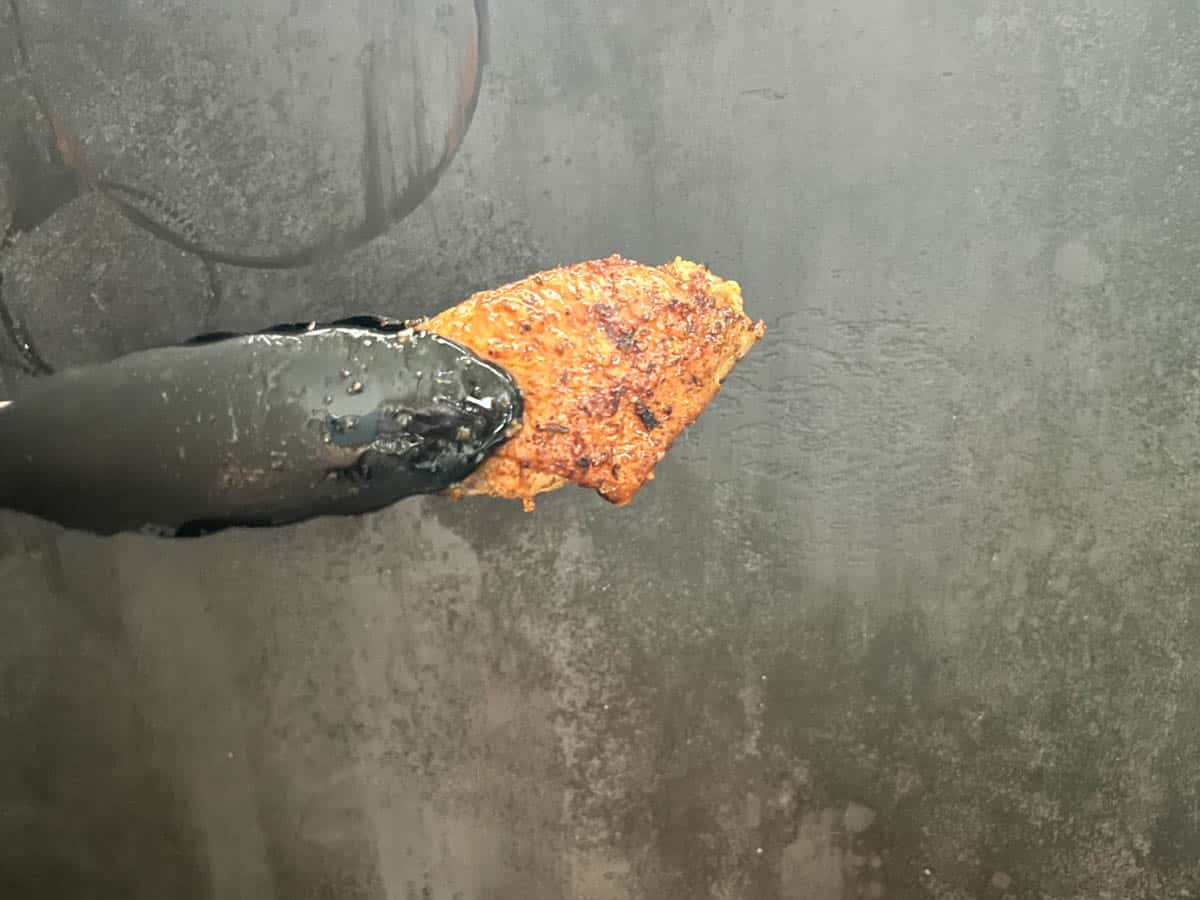
Wash and pat the wings dry with paper towels. Season them generously and sear. Your seared wings should look like this.
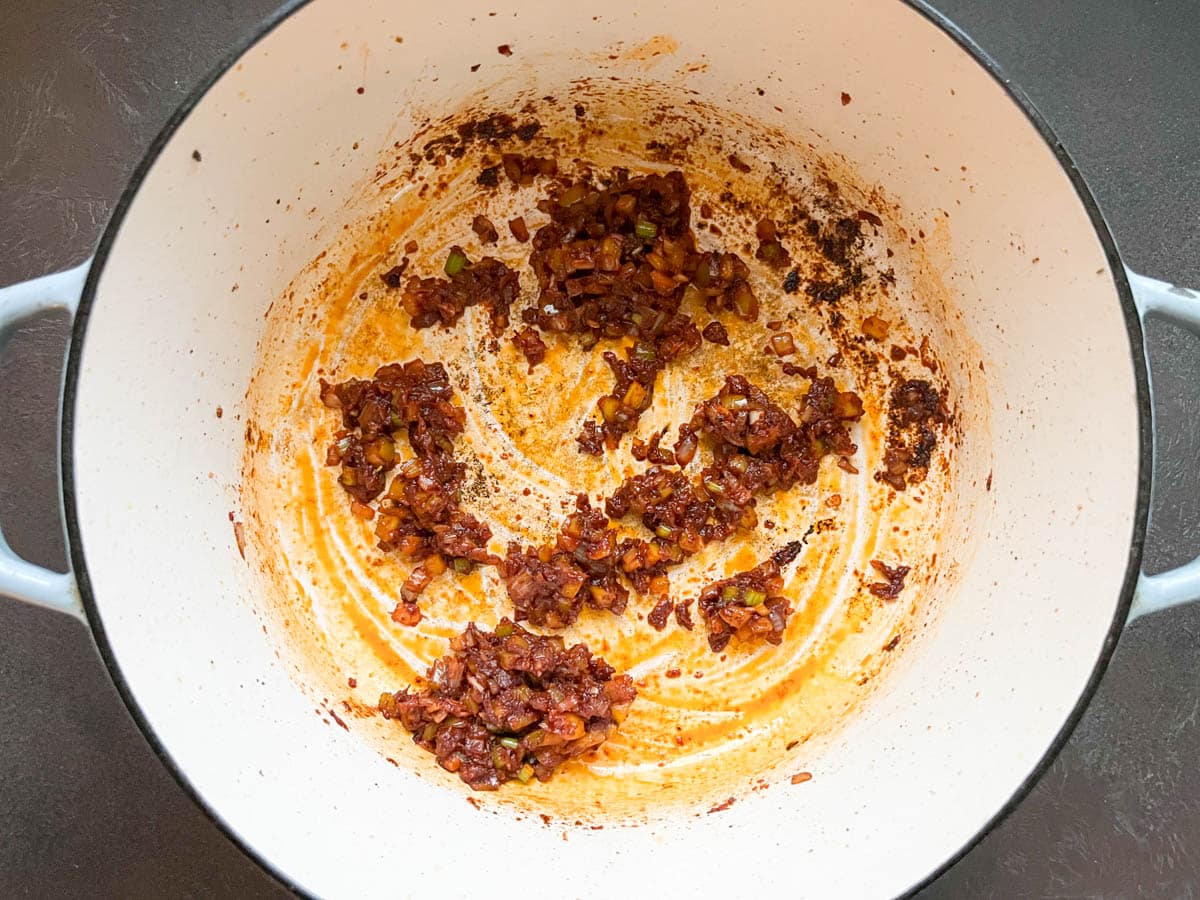
Build the foundation of the braising liquid by first sauteing your vegetables and tomato paste while gently scraping up all the brown bits at the bottom of the pot.
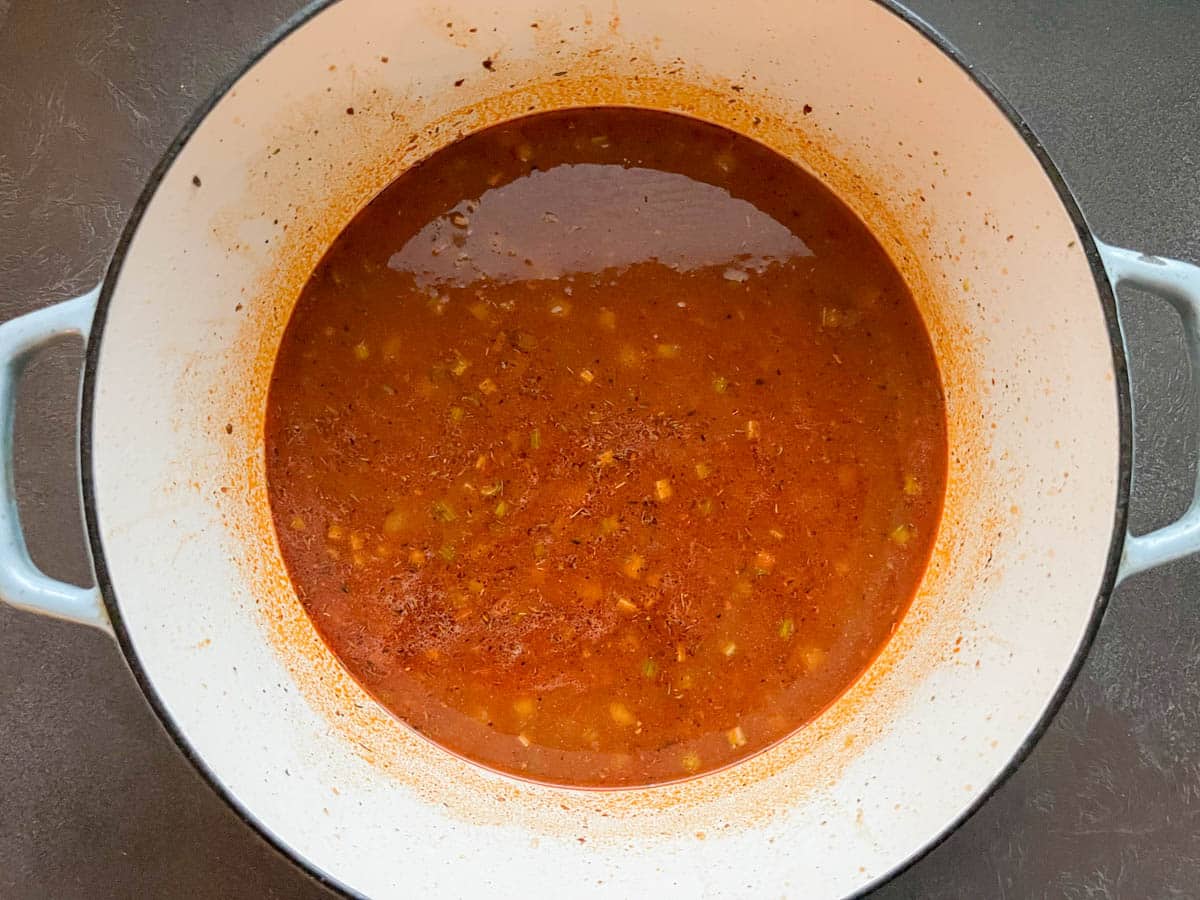
Add water and Better Than Bouillon for depth of flavor.

Add the wings back to the Dutch oven or oven-safe skillet and place in the oven to braise until your wings are tender.

The result - tender wings in a flavor sauce.
Serving Suggestions
Here are a few Southern side dishes to make this dish feel like a complete meal.
- Jasmine white rice (simple, classic, and perfect with the sauce
- Greens like Southern Collard Greens (Soul Food), Sauteed Green Beans, or moist cornbread
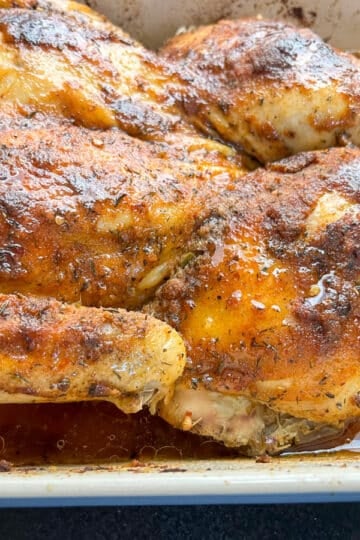
If you're building out a weeknight rotation of chicken dinners, you may also like my Cajun spatchcock chicken recipe. It's a different method and doesn't require that you stand over the stove all night.
FAQ's
Braised chicken is a cooking method where chicken is first seared in fat, such as cooking oil, butter or both, then slowly cooked sometimes in a covered pot with liquid (such as broth, stock, or wine). The braising liquid and the steam inside the covered pot help tenderize the meat and infuse it with rich flavors. This method results in moist, tender, and flavorful chicken. Braising is a versatile technique that can be used with various cuts of chicken, including wings, thighs.
Yes, you need liquid to braise. Broth, stock, wine, or a combination of these helps to tenderize the meat and keep it moist during the cooking process.
Braise with the lid on, especially for tougher cuts of meat.
The ideal time is between 1 hour to 1 hour and 10 minutes. This allows the meat to become tender and absorb the flavors of the braising liquid.
Absolutely, but make sure they are dried thoroughly before adding your seasoning and searing. Pat them dry with paper towels.
Storage and Reheat
Place any leftovers in an airtight container with a tight-fitting lid and store in the fridge for up to 3 days.
To reheat, place the braised wings in a baking dish and heat in a preheated 375°F oven until warm throughout.
📖 Recipe

Easy Braised Chicken Wings
Easy Braised Chicken WingsEquipment
- 1 Dutch Oven A cast-iron skillet, braiser, or other heavy-bottom skillet will work
- 1 Baking sheet Used for seasoning the chicken wings
- Paper towels Used to pat dry the wings to absorb excess moisture
- 1 Kitchen shears Used to remove the wing tip and separate the wing from the drumstick
- Tongs For flipping the chicken while searing
Ingredients
Chicken
- 4-½ lbs chicken wings (or drummettes )
- 1-½ tablespoon onion powder
- 1 tablespoon garlic powder
- 1 tablespoon kosher salt (+ ½ teaspoon)
- ½ teaspoon smoked paprika
- ½ teaspoon dried thyme
- ½ teaspoon dried oregano
- ½ teaspoon black pepper
- 4 tablespoon avocado oil (or other neutral oil (i.e. grapeseed oil))
Braising Liquid Turns Into Sauce
- ½ yellow bell pepper (or half small onion sliced)
- 1 stalk celery
- 1 whole shallot
- 2 cloves garlic
- 2 tablespoon tomato paste (heaping tablespoons)
- 3 cups water
- 4 teaspoon Better Than Bouillon (Reduced-Sodium Chicken) (or chicken broth)
- 1 teaspoon onion powder
- ½ teaspoon garlic powder
- ½ teaspoon dried thyme
- ½ teaspoon dried oregano
- ½ teaspoon black pepper
- ¼ teaspoon kosher salt
Instructions
Sear Chicken
- Preheat the oven to 375°F.
- Rinse the wings under cold water and pat them completely dry with paper towels. Using kitchen shears, remove the wing tips and separate the drumette from the flat. Discard the wing tips.
- Season the wings well on all sides. This is where the flavor starts.
- Place a Dutch oven on the stovetop over medium-high heat and add the avocado oil. Once the oil is hot, sear the wings in a single layer, working in batches so the pot isn't overcrowded.Sear until the wings develop good color on both sides, then transfer them to a clean plate.
Braising Liquid Turns Into Sauce
- In the same pot, add the diced vegetables. Sauté for about 3 minutes, stirring and gently scraping up the browned bits from the bottom of the pot.
- Stir in the minced garlic and cook for about 1 minute, just until fragrant. Add the tomato paste and cook for 2-3 minutes, stirring frequently, until it deepens in color.
- Pour in the water, add the Better Than Bouillon, and stir until fully dissolved. Add additional seasonings.
- Nestle the seared wings back into the pot, making sure they're partially submerged in the liquid.
- Cover with a tight-fitting lid and transfer to the preheated oven. Cook for 1 hour to 1 hour and 10 minutes, or until the wings are very tender.
- Carefully remove from the oven and serve hot with the sauce spooned over the wings.
Notes
- Sear the chicken wings in a hot pot before braising to develop flavor. This step caramelizes the skin.
- This recipe calls for low-sodium Better Than Bouillon (chicken flavor), but you can use a high-quality chicken broth or stock if that's what you have on hand.
- Allow the chicken wings to braise slowly and gently. Low and slow cooking ensures the meat becomes tender and absorbs all the flavors of the braising liquid.
- Taste the sauce towards the end of the cooking time and adjust the seasonings as needed, so your final dish is perfectly seasoned.
Troubleshooting
My sauce is too thin: Toward the end, let it simmer uncovered for a few minutes to reduce further. Keep in mind that the sauce thickens as it cools, too. My wings aren't as tender as I wanted: They likely needed a little more time covered. Braising works best when the wings stay in that moist environment long enough. My wings stuck to the pan during searing: Make sure the wings are dry before they hit the pan and don't rush the flip. Once they develop color, they’ll release.Nutrition
Nutrition Disclaimer
Nutritional information is an estimate provided by an online nutrition calculator. For the most accurate results, we recommend calculating the nutritional information using the specific ingredients and brands you use.

Thanks for visiting! Please feel free to leave a comment